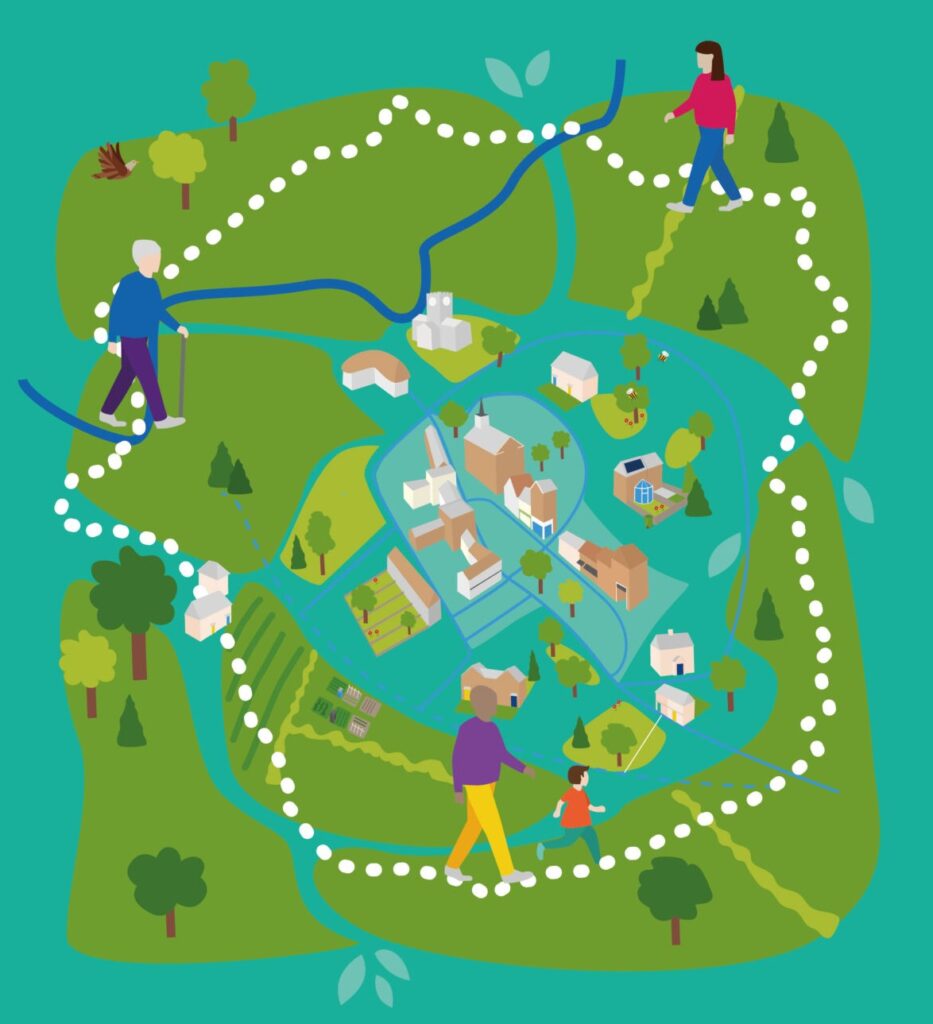
Compared with many communities, Thame is under-provided with parks and public open space. There is also much scope for more and better footpaths and cycle routes. These will encourage walking and cycling for better health, reduced car use and increased access to surrounding areas. Changes could immeasurably improve the environmental amenities of Thame and help strengthen a sense of community, particularly where development pressures are apparent. The panel below identifies key issues, which are taken further in the schedules that follow.
Key Issues
Green Spaces & Biodiversity
Inform and involve: Improve information, education and involvement in conservation
Identify new areas for biodiversity: Create more nature-friendly areas
Improve biodiversity in existing open spaces: Encourage wild flora and richer fauna
Enhance green corridors and waterways: Let our natural world flourish
Support agricultural practices: Encourage greater landowner focus on biodiversity
Check planning policy and decisions: Scrutinise policy, decisions and outcomes
Cycling
Encourage and support cycling: Improve options and help for cyclists and non-cyclists
Create safe cycling routes: Especially through Thame Town centre
Engage the Thame Town community: Safer and more direct links for cycling
Revitalise connections: Improve links with Thame’s broader environment and our neighbours
Walking
Promote walking routes into and through town, as a healthier non-car alternative
Improve walking routes, By making them safe and pleasant
Improve footpath connections, from key residential areas into town
Establish more walking routes, and improve access to surrounding countryside
Support for the less mobile, with more seating and viable transport alternatives
1.1 Information & Involvement
Improve information and education on the importance of biodiversity and nature conservation
OBJECTIVE: Seek greater understanding of our natural world and local biodiversity to our future wellbeing – and the benefits of taking action
Actionneeded
Create more explanatory information panels in key sites in town centre and where biodiversity action is taking place.
Action Completed
(Set up completed, ongoing activity in place)
Support the conservation and biodiversity work of local conservation bodies.
The Thame Green Living Plan cannot be achieved without the support of many other organisations – and you can see a full list of all those who are playing a part at this link.
Thame Town Council also provides links to local groups:
Or sign up to the monthly, local environmental newsletter that promotes news, activities and opportunities within these groups:
Action Completed
(Set up completed, ongoing activity in place)
Explore funding possibilities with various bodies.
Since the adoption of the Green Living Plan by Thame Town Council, several projects have been successful in attracting funding from different sources. This has allowed more action to be completed in a shorter timeline.
Many different groups have been involved in delivering these projects.
If you want to help support the work of achieving the Green Living Plan, but need funding to be able to do so, then contact Thame Town Council’s Environmental Project Officer who can support you to find and apply for funding.
OBJECTIVE: Encourage developers and businesses to take more responsibility for the future of the natural world
Action Completed
(Set up completed, ongoing activity in place)
Action: Develop an information/ education programme, including success stories, via local conservation organisations
Businesses are able to engage with the GLP in the following ways:
Achieving a ‘Thame Business Sustainability Award’. This award is currently in a pilot phase. To qualify for an award businesses will need to demonstrate the actions they are taking that support the achievement of the GLP, as well as further actions to progress on their own sustainability journey. If the pilot is successful the award will launch in March 2025.
Volunteering to take part in a local biodiversity project. Thame Town Council has employed an Environmental Project Officer, who businesses are able to contact to get support to identify organisations that they can link to, depending what sort of event they are seeking to get involved in. becky.reid@thametowncouncil.gov.uk
Sponsoring a project that seeks to combat climate change on a local level Again, Thame Town Council’s Environmental Project Officer can support with this – email above.
Encourage local companies to engage in conservation work, e.g. as part of their corporate social responsibility policies.
Since the adoption of the Green Living Plan, Thame Green Living, 21st Century Thame and Thame Town Council, have all played a part in engaging businesses in conservation work.
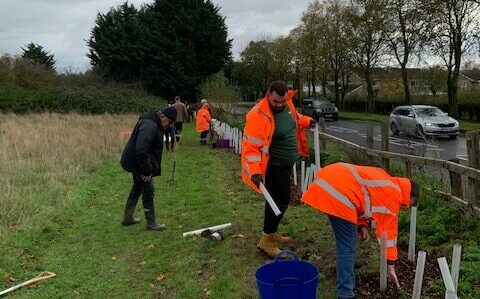
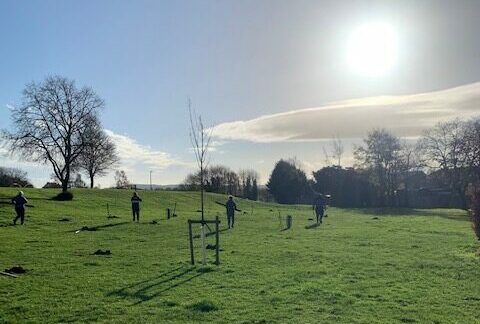
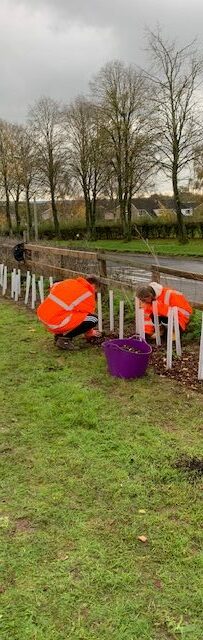
Many of the planting projects that have been achieved, such as those at The Triangle and Queen Elizabeth Circle have engaged local businesses.
If your business would like to get involved then Contact us and we can support you to arrange this.
Image: planting with Carmichael UK
Increase involvement in conservation work
OBJECTIVE: Seek more community involvement and volunteers interested in improving local biodiversity
Action Completed
(Set up completed, ongoing activity in place)
Promote existing volunteer opportunities more widely (21CT, CBCV, RTCT, REG) and foster partnership working.
To support this action Thame Town Council has established a function on their website that allows any community group to list their current volunteering opportunities. This is linked to below:
An Environmental Forum has been established to foster partnership working across local Environmental Groups.
Action completed:
Seek school and youth involvement with projects.
Several different projects involving schools engaging with biodiversity have already taken place with support from 21st Century Thame. These have included:
Creation and installation of bug hotels in all Thame primary schools.
Development of a pond area within the grounds of Barley Hill School (still in progress).
Creation of a sensory garden in John Hampden primary school.
Hedgehog Assemblies created to be delivered in John Hampden primary school.
In 2025 this schools work is continuing, with new projects being added and delivered by both 21st Century Thame and by Thame Town Council. Find out more here
Action needed:
Examine social engagement and consider innovative ways of developing this.
Private gardens and allotments
OBJECTIVE: Promote more features to help biodiversity in our gardens
Thame and Chinnor Wild Gardens project is an extension of 21st Century Thame’s successful Hedgehog Highways project. After connecting with over 150 people who’ve taken on the challenge to trying to connect their gardens with their neighbours and allowing hedgehogs in, they wanted to make sure that those gardens were providing what hedgehogs needed to survive.
The goal is that ALL gardens are wildlife friendly, and The Wild Gardens project provides a questionnaire that allows participants to evaluate whether their garden is? The questionnaire covers food, shelter, water and garden management – helping people explore each of these and suggesting ways they could improve their garden to better support nature to thrive.
Their initial work focused on diffuse pollution and water resilience on farms but their scope has grown to encompass the entire farming landscape. This includes pursuit of emerging opportunities for farmers around sustainable food production, landscape recovery, nature based solutions and new funding sources including private investment.
1.2 Identify new areas for biodiversity enhancement
Create more nature-friendly zones in built-up areas
OBJECTIVE: Contribute enhanced quantity and variety of native plant and animal species
Action in progress
Complete the Google Earth survey of potential biodiversity enhancement areas.
At the start of the journey of the Green Living Plan, Thame Green Living used Google Earth to identify the areas of green within Thame, to start mapping locations that could potentially provide and opportunity to increasing biodiversity within the town. They approached Thame Town Council to promote and encourage action that could be taken. This led to projects in partnership with Thame Town Council (such as the re-wilding of verges, planting in ‘The Triangle’ and QEC play area) as well as work in partnership with Business in the town (such as the landscaping of the area opposite the Churchill Living development on Greyhound Lane. Thame Trees (part of 21st Century Thame) also got involved and now they are working with Thame Town Council to systematically work through the green spaces in Thame to explore what could be done.
If you live near a green space that you think would benefit for an increase in biodiversity, especially if you felt you could play a part to help make it happen, then contact us and we can support you to help make it happen.
Action in progress
Seek Wild Oxfordshire involvement in a local biodiversity enhancement project.
Support local initiatives
OBJECTIVE: Seek community input into new proposals
Action Complete
Develop community planting schemes.
Help to identify suitable sites and species to support 21 Century Thame tree-planting initiative.
Work on enhancement proposals with partners (e.g. Residents’ Associations (RAs), District and County Councils, 21 Century Thame).
Since 2020 Thame Town Council has been working with Thame Green Living and 21st Century Thame to identify suitable locations for additional planting schemes across the town. This has included engaging in consultations with residents bordering green spaces being considered for planting, working with a local tree expert to identify appropriate species, liaising with SODC and OCC where the land is their responsibility, securing funding and engaging with businesses and community groups to deliver planting projects.
As of 2024 this work is being completely driven by 21st Century Thame who are systematically working across Thame to identify, scope and deliver new projects. You can read all about the work being achieved on their website. Earlier projects that involved Thame Green Living include:
Organise public events on biodiversity enhancement in gardens etc. as part of education and awareness raising.
Along with the work that 21st Century Thame has been doing to implement biodiversity projects such as tree planting, building Hedgehog Houses and implementing the ‘Wild Garden’ scheme, they have also been attending events to raise awareness and educate others about these opportunities. This work has included stalls at local school fetes, delivering assemblies, running sessions for local Uniform Groups, stalls at the Carnival and at Thame’s annual Green Fayre organised by Chinnor & Thame Friends of the Earth. This work has been supported by other organisations, and the opportunities for further education in locations such as Cuttle Brook Nature reserve are being explored during 2025.
Action in progress
Explore a Mayoral commendation scheme (e.g. letter of thanks plus guidance on further sources of information).
Work is currently underway to pilot an award for Businesses and Community Group who play a part in helping to achieve the Green Living Plan. this will be piloted in 2025.
Find out more about current opportunities through the Get Involved page.
1.3 Improve Biodiversity in existing public spaces
Improve existing green areas to encourage more beneficial wild flora and richer fauna
OBJECTIVE: Encourage biodiversity and greater carbon capture
Action: Promote links with biodiversity experts.
OBJECTIVE: Implement more sustainable working practices consistent with Thame Town Council’s Environmental Policy
Action in progress:
Identify relevant areas and current approach for research and discussion, including more beneficial planting and mowing practices for wildlife and carbon capture.
Consolidate and extend Thame’s green corridors and waterways
OBJECTIVE: Promote the success of the Cuttle Brook Conservation Volunteers (CBCV)
Action: Continue dialogue to further joint aims of GLP with CBCV and River Thame Conservation Trust (RTCT)
Action: Progress Phoenix Trail links with Risborough Environment Group and Sustrans.
OBJECTIVE: Extend the Cuttle Brook Nature Reserve
Action: Liaise with CBCV on a planned extension south towards Moreton.
OBJECTIVE: Enhance the role of the River Thame and its tributaries as valuable biodiversity reserves, recognising in some areas that biodiversity and local nature may need exclusive space
Action in progress:
Liaise with relevant parties including neighbours, CBCV and others to develop and implement a landscape, planting and public footpath plan for Rycote Meadow.
Seek to maximise the statutory role of the Local Nature Reserve in local biodiversity and flood control and harness the committee’s expertise.
Action Complete:
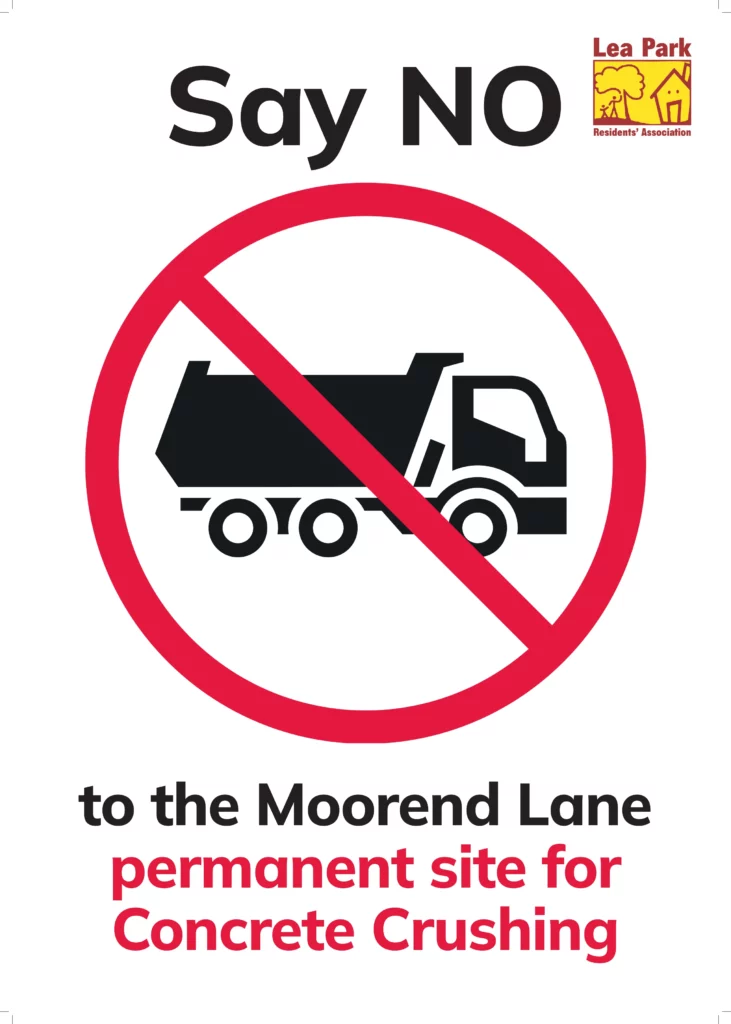
Resist proposed use of former Moorend Lane site for long term waste processing.
1.5 Support for Agricultural practices
OBJECTIVE: Encourage increased landowner focus on biodiversity and conservation measures to improve soil fertility, reduce pollution and foster wildlife. OBJECTIVE: Recognise importance of landscape scale conservation work OBJECTIVE: Maintain momentum, celebrate successes, share best practice and engage the public
Action Complete
In conjunction with RTCT and Wild Oxfordshire explore potential for a loose-knit local landowners’ network to work with the community for mutual benefit.
Consider a “Nature-loving landowner” scheme as a forum for sharing best practice and celebrating success in association with appropriate bodies.
RTCT facilitate the Thame Catchment Farm Cluster (TCFC) which aims to bring together and support farmers across the catchment in developing and utilising profitable opportunities for land management that produces high-quality, nutritious food, contributes to net zero carbon, and improves locally distinctive habitats and ecosystems.
On a local level, Thame Town Council and Cuttle Brook Conservation Volunteers are part of the Thame Catchment Partnership which delivers a catchment based approach to the health of our river. This approach brings together numerous organisations to collaboratively deliver benefits for nature, hosted by RTCT, attended by a wide variety of organisations such as the Freshwater Habitats Trust and BBOWT, as well as the EA and Thames Water.
Engaging with the public is something that is being led on by local farms themselves.
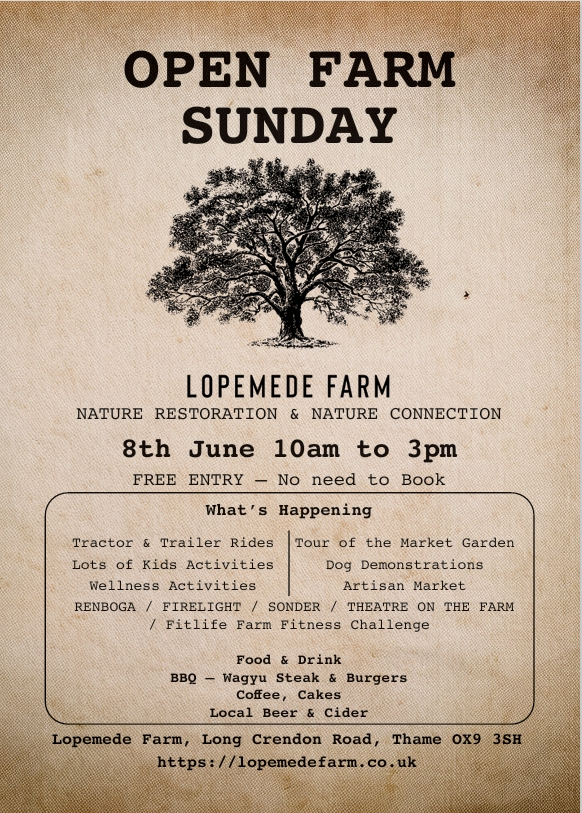
For example, Lopemede Farm, a member of the Thame Catchment Farm Cluster, hosted its first-ever Open Farm Sunday on Sunday, 8th June 2025. RTCT supported the event and attended with a stall, offering visitors the opportunity to learn more about the Farm Cluster and its efforts to support sustainable farming and habitat restoration.
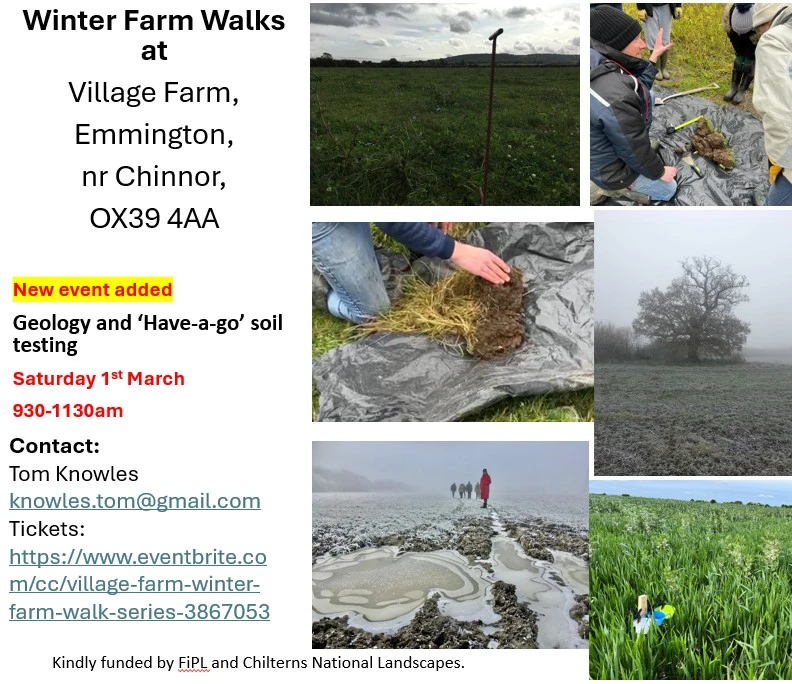
Another Farm who has taken action to engage the public is Village Farm at Emmington. They have delivered a series of winter walks, and supported food growing workshops for local residents.
1.6 Ideas for the future
Establish Ham Wood to Phoenix Trail green corridor
OBJECTIVE: A new biodiversity corridor to link up two sides of Thame.
Action: Identify areas of interest, expertise and funding and involve Woodlands Trust, Sustrans, CBCV as appropriate.
Action: Develop and seek agreement for a composite plan between local conservation bodies and landowners.
A new ‘Green Halo’ space for Thame
OBJECTIVE: Create a major new ‘Green Halo’ space and corridor off Moorend Lane between Edge Hill/ skateboard park and Ham Wood as a green space/ nature reserve area
Action: Explore funding opportunities through TOE (Trust for Oxfordshire Environment) and others.
1.7 Cycling awareness and encouragement at individual level
OBJECTIVE: Greater awareness of the value and benefits of cycling.
Action: Encourage responsible cycling in and around the town.
Action: Provide information and raise awareness through printed and online materials, town signage and general promotion.
OBJECTIVE: Sustained behavioural change.
Action: Discuss the creation of a Bicycle Mayor role for the town (https://bycs.org/).
Action: Engage with businesses to promote ‘bike to work’ schemes ad promote cycling to employees.
OBJECTIVE: Higher standards and confidence in cycling as a safe means of travel.
Action: Build cycling skills by 1:1 or group Bike-ability training, family events, holiday club, and maintenance training.
Action: Help cycling to be more visible and a regular presence in the town centre.
Action: Link to advice on cycling equipment and cycle maintenance (e.g. incl. popup maintenance workshops in town centre).
OBJECTIVE: New ways of travelling for the next generation – and others – to benefit the wider community
Action: Promote school travel plans, cycle champions, Bicycle User Groups (BUGs), including the introduction of ‘bike busses’ to help increase safety of children until infrastructure is improved.
1.8 Cycling in Thame Town Centre (see also Air Quality)
OBJECTIVES: Make the town centre more pedestrian and cycle-friendly. Maintain and improve the safety and air quality of the town centre to keep Thame a desirable and vibrant place to visit, live and work. Reduction of vehicle through-traffic in town centre to help towards wider objectives and reduce noise and impact/vibration damage to roads and buildings.
Action: Enhance cycling by dedicated or segregated cycle routes in key areas
Action: Examine options for infrastructure changes to the High Street to reduce car use and through-traffic generally.
Action: Establish principle of ‘prioritising pedestrians over cyclists, over buses, over private vehicles’ in the town.
Action: Take steps to discourage vehicles driving unnecessarily through the centre of town.
Action completed
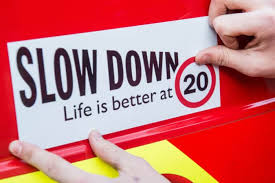
Consider and consult on a 20mph speed limit across Thame town centre.
In 2021 Oxfordshire County Council’s Cabinet voted to endorse proposals to make it simpler, quicker and less cost prohibitive to lower speeds to 20mph on most urban areas and village streets in places where it is both suitable and supported by residents.
In April 2022, Thame Town Council voted unanimously in favour of 20mph being rolled out across Thame, and in late 2024 this was implemented across the town.
OBJECTIVES: More short-distance travel by cycle rather than by car (for those able to do so), for example from homes within Thame. Clearer connections and route signage into town centre, with cycle route continuity – without gaps. Good surfaces, without obstructions, with safe road crossings for all levels of mobility.
Action: Improve cycling connections from all residential parts of Thame.
Action: Follow up direct cycle routes from new estates.
Action: Improve bike access to and from Moreton.
Action: Undertake a bike rack audit of potential locations to provide more racks and their spread around the town, including near social destinations, such as cafes and the library
Action: Consider provision of bike tool stations.
Action: Develop metrics for monitoring short journeys.
OBJECTIVE: Safe routes to school and other key facilities and destinations
Action: Consider and consult on the following options to create safer and more direct links:
Set up a priority cycle route through Thame to link up between the Phoenix Trail (and points off it) on one side and the skateboard park/ Tythrop Way/ potential Haddenham Greenway access to Thame on the other
Create advantages for walkers and cyclists e.g. priority, shortcuts, & designated crossings with clear signage.
Protect Windmill Road and Nelson Street as key cycling routes as part of a link between the Phoenix Trail and the town centre. (Note: May depend on routes through Elms Park when developed)
Prioritise cycling on North Street to connect with Lea Park, access to Barley Hill School and beyond. (Notes Dependent on SODC plans)
Development of the Cattle Market site to incorporate and prioritise cycle and foot access, both to and through the site.
Assess improvements to Oxford Road, to replace current road markings and create safer alternatives for access to Lord Williams’s School and recent housing developments.
1.10 Connections with Thame
OBJECTIVES Enhance Thame as a hub for the surrounding towns/villages to reduce reliance on cars to access Thame. Easier travel into Thame from nearby communities by foot or cycle, rather than car. Good surfaces, without obstructions, with safe road crossings for all levels of mobility.
Action: Develop a walkers/cyclists welcome scheme.
Action: Continue to press for construction of planned ‘Greenway’ between Haddenham and Thame, (including a safe crossing of Tythrop Way.)
Action: Provide a safe crossing of the ring road for the ‘old road’ route to Long Crendon and add cycle route where it meets B4011.
1.11 Cycling – Ideas for the future
A dedicated cycle route along the high street
OBJECTIVE: A viable and safe route to encourage all to cycle more.
Action: Develop a suitable dedicated and protected cycle route though the town centre and beyond.
Improving the Aylesbury Road roundabout
OBJECTIVE: Improve the roundabout to allow better vehicle traffic flow and to be safe for cyclists (if alternative cycling routes aren’t available)
Action: Redevelop the A418/Tythrop Way (Travelodge) roundabout to encourage traffic to use the ring road rather than travel through the town centre.
Extensions to the Phoenix Trail
OBJECTIVE: An extension of the Phoenix Trail that will connect with the Oxford cycle route. Other linkages that improve cycling options from Thame
Action: Promote extension of the Phoenix Trail to Wheatley and connect to Oxford.
Action: Build on the success of the Phoenix trail – Consult with SUSTRANS.
1.12 Walking: Individual, Communal And Shorter-Term Actions – Thame Town
Encouragement for Walking
OBJECTIVES: Improved non-polluting means of getting around to limit high-level and street pollution. Establish a strong walking culture in and around Thame, including children and young people, based on four principles: 1. Viability. Walking routes giving the most direct access to the town centre with suitable priority for pedestrians. 2. Health. Promoting awareness and use of the health benefits of walking and fresh air plus access to the countryside. 3. Safety. Making pedestrians feel safe. 4. Signage. Showing main routes and walking times.
Action: Improve signage for pedestrians through key town centre areas, including
Signposts to key town locations
Key link routes and the Phoenix Trail
Lea Park and other major housing areas
Walking times to key destinations
Action: Estate footpaths – take all reasonably practicable steps incl. with SODC to:
enforce proper completion and opening of footpaths through and around the three most recent major development sites (known as C, D and F) in accordance with terms of their respective planning consents,
develop more direct routes into town where possible,
have these adequately maintained.
Action completed
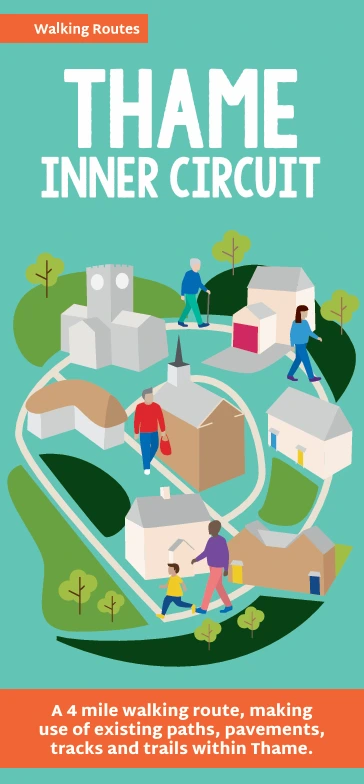
Inner Thame Circuit. A new inner circuit route connecting St Mary’s, Lea Park, the Phoenix Trail and the Cuttle Brook area. Develop route and directions & publish details in new town leaflet.
Walkers’ group – consider promoting a new group of walkers dedicated to walking in and immediately around Thame to pursue these ideas and encourage more, etc.
Action needed
Establish priorities and protocols between pedestrians, cyclists, and other users on Phoenix Trail and other key routes.
Action: Safe routes to school – Seek volunteers to promote and organise walking buses and other forms of safe routes to school, including prioritising key routes for children to stay safe.
Action: Lea Park – Identify and prioritise key walking routes into town and elsewhere.
Action: Encourage schools and sports clubs to encourage walking as part of an overall exercise and well-being plan.
1.13 Walking: Safety And Security – Town Centre And Community – Longer-Term
Prioritising the safety and security of pedestrians in the Town Centre and other areas of Thame
OBJECTIVES: To encourage those walking in and around town to feel safe and secure in doing so (see also cycling 1.7 & 1.8). To have Thame town centre seen as a relaxed and healthy environment and a good place in which to spend more quality time.
Action: Consider and consult on the following options:
a policy for ‘prioritising pedestrians over cyclists, over buses, over vehicles’ in the town centre
broader pavements (a green corridor) to and through the town centre town
suitable road crossings at key points to ensure safe walking corridors
level pavements/ surfaces to eliminate trip hazards (throughout and especially on access walkways through Lea Park)
Cut back vegetation impinging on paths
Survey and establish clear pavement and road markings to indicate pedestrian priorities
Develop road signage at key junctions warning drivers of the new priorities
Consider suitable low level lighting to encourage greater use of passageways etc.
Review and replace as necessary over time pavement furniture acting as obstacles to pedestrians or sight lines
Where dual use, establish priorities and protocols between pedestrians, cyclists, mobility scooters and other non-vehicle users.
Ensure safe walking routes through redeveloped Cattle Market site
Action in progress
Add new or improved footpaths (with suitable habitat protection where applicable) across Rycote Meadow and alongside or close to the proposed Cuttle Brook Nature Reserve extension towards Moreton
Action needed
Integrate all these proposals within consultation on a proposed composite Thame Travel and Transport Plan
Action needed
Develop links with Estate management companies once they have taken over communal grounds and facilities to encourage best practice and opening up of travel connections
1.14 Walking: The Wider Community – Thame’s Environs
Thame Town’s connections with the surrounding communities
OBJECTIVE: Longer walks available from and around Thame to encourage more people to extend their range and enjoy the local countryside
Action completed
Outer Thame Circuit. A new 20-mile outer loop around Thame on existing public footpaths, connecting outlying villages and using public transport, with 7-9 miles ‘segments’ connecting into Thame. Develop route and directions & publish it as a town leaflet, encouraging use by all local communities.
OBJECTIVE: Good surfaces and safe road crossings for all levels of mobility.
Action completed:
Tythrop Way and Moorend Lane. Re-align footpath adjacent to skateboard park to permit use of traffic lights to access Moorend Lane and routes beyond
Thame Green Living petitioned Thame Town Council to open the gates from The Skate park through to Moorend Lane, Ham Wood and the many footpaths beyond. This was achieved in 2021 and you can now safely access Moorend Lane using the traffic lights from the Queen Elizabeth Recreation Area over to The Skate Park, and turning right.
The area of land is now known as ‘The Triangle’ and has since been the focus of planting projects that are currently on going. Why not get involved?
Action in progress:
Access to Long Crendon. Urgently plan for new pedestrian crossing/ refuge over A418 by-pass at route of Old Crendon Road to facilitate safe access to/from Long Crendon
Thame is currently going through the process of developing a ‘Local Cycling and Walking Infrastructure Plan’ (LCWIP). This action is initially being addressed through this process.
This is being led on by OCC and you can find out more about what is involved at this link.
If you want to get involve in the process please contact becky.reid@thametowncouncil.gov.uk to find out more about how to do this.
OBJECTIVES: Thame as a stronger hub with improving connections to surrounding towns/villages and countryside ( see cycling 1.9) Encourage those living outside but close to Thame to walk or cycle, rather than drive, into and out of town – enhancing Thame’s air quality
Action: Haddenham and Thame ‘Greenway’ – continue to press for implementation of planned route, including access to and through Thame /links to both town centres and H&T train station, to include safe crossing of Tythrop Way.
1.15 Walking: Ideas for the future
OBJECTIVE: Develop an aspirational mid-length riverside/ countryside circuit around Thame’s immediate environs, using new estate riverside walks and natural features of the surrounding open land