There is potential for delivering many benefits regarding how we use energy, the types of technology and controls that we adopt, the sources of the energy we use, and the extent to which we ‘flex’ the timing of our use of energy, local generation and, in the future, energy storage.
The benefits include:
Smarter use of energy resulting in better value for money
Greater take-up of sustainable energy and electric vehicles with all their advantages
Greener transport and home heating to support cleaner air and reduce global warming
The opportunity for community investment in local clean energy sources
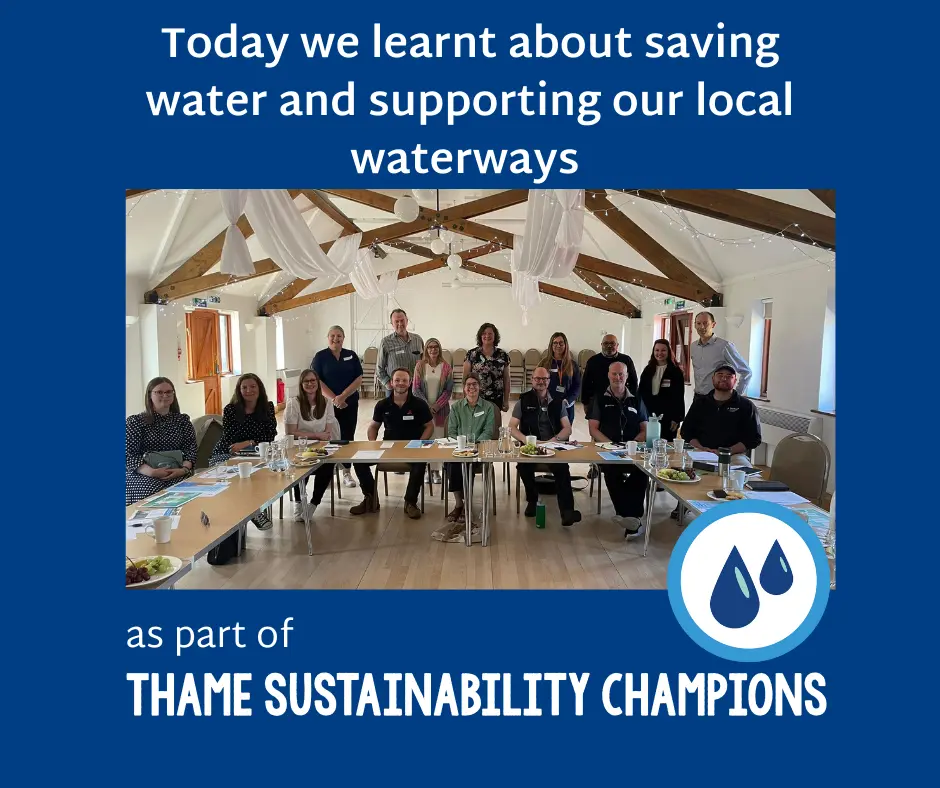
who are helping to ensure these principles apply to Thame’s greatest natural water assets, The River Thame, the Cuttle Brook and Kingsey Cuttle Brook.
Key Issues
Energy awareness – Improved understanding of energy uses and options
Energy efficiency and sustainability – Exploring and implementing better energy choices
Clean transport – Promoting steps to encourage electric vehicle use
Low carbon energy sources – Practical guidance on clean energy for homes and businesses
4.1 Energy Awareness
OBJECTIVES: Involve more people in using energy more efficiently Establish easy access to relevant information and mechanisms for questions and follow up
Action: Have a presence at town events such as the summer carnival and the Christmas lights.
Action: Provide printed and online materials that prompt ideas for individual actions.
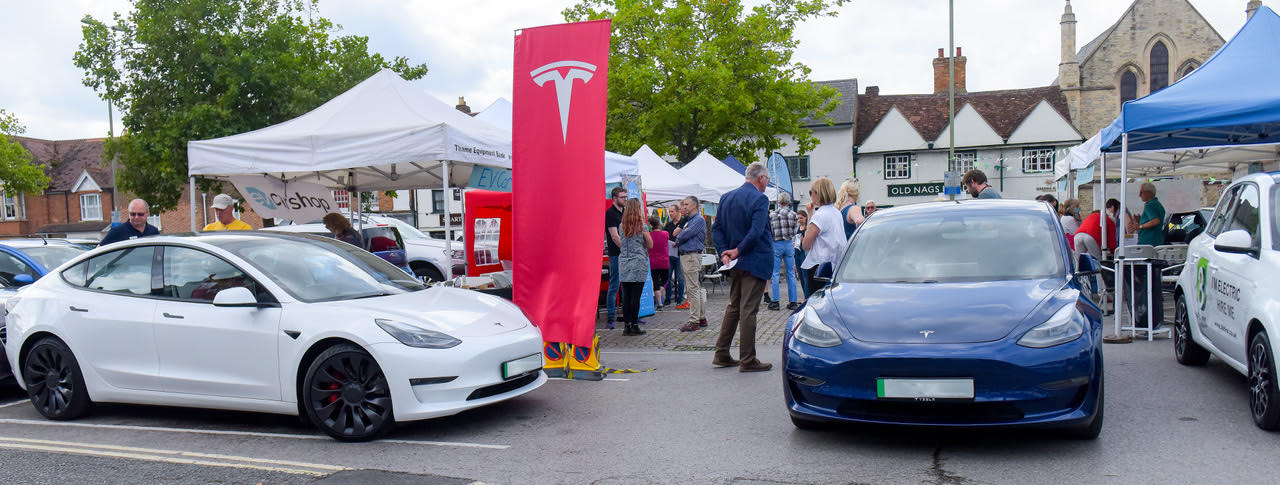
Two hugely successful Thame Drive Electric events were delivered in 2021 & 2022, click on the dates above to find out more about each of them.
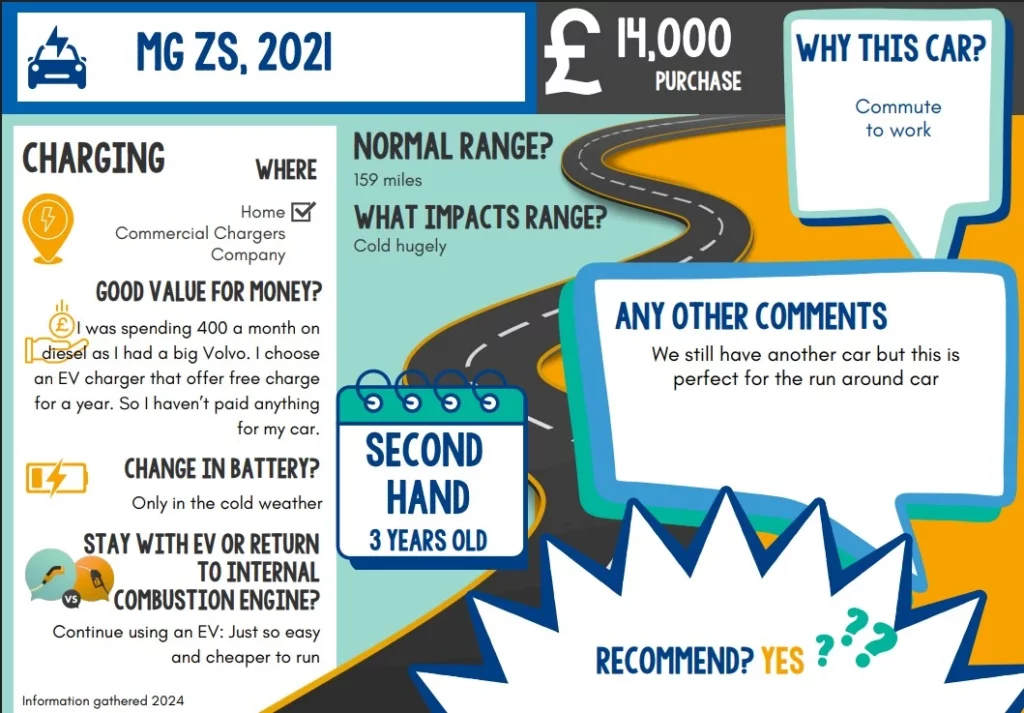
Find out what local EV owners think about the cars they own:
OBJECTIVE: Establish a green profile for Thame in energy, for all who live, work or visit here
Action needed
Make Thame energy initiatives visible, for example EV chargers signposted and with TTC & TGL ‘branding’.
Action complete
Establish a community energy company for Thame (by linking with established regional models or otherwise).
OBJECTIVE: Publish an Energy Strategy for Thame to ensure a coherent longer-term approach
Action: Publish and circulate the draft energy strategy for information and comment, available on TGL website.
Action: Identify sources of expertise and possible future energy project partners.
Action: build on consultation feedback consistent with TTC and GLP strategy and lessons from practical projects.
4.2 Energy efficiency and sustainability – Individual Actions
OBJECTIVE: Promote personal actions that can improve energy efficiency
Action: Provide pamphlets and website information, including FB posts and promotion at events.
Action: Encourage use of Smart Meters to take advantage of new services and deals.
Action: Seek a link with Citizens Advice to assist their work in this area.
OBJECTIVE: Improve the energy efficiency of existing homes
Action: Flag up government grants and programmes for individual homes (as part of the government Net Zero programme).
Action: Identify Retrofit work programmes elsewhere that might be suitable for Thame. e.g. Better Homes Better Health and Cosy Homes.
4.3 Energy efficiency and sustainability – Community & infrastructure Actions
OBJECTIVE: Encourage businesses to improve their energy efficiency
Action Completed
Link with TTC Business Forum to raise awareness of free energy audits and grants for making energy improvements. e.g. at a Business Breakfast event.
In 2024 Thame Town Council, in partnership with 21st Century Thame, delivered a series of business breakfasts to local businesses. The focus was on energy efficiency. Workshops included the opportunity for businesses to receive free or discounted energy assessments through Low Carbon Hub and Energy Solutions Oxfordshire; presented information on how to decarbonise your website, presented by local company Pentangle Technology; hosted a workshop with South Oxford District Council to raise awareness of the Rural England Prosperity Funding available to support businesses towards capital expenditure that would increase their sustainability.
Following the success of these events, and to further support local businesses and organisations to engage with the Green Living Plan, the Thame Sustainability Champion Award was launched in March 2025 as a partnership project between Thame Town Council and 21st Century Thame, as an extension of this project.
The award celebrates local businesses and organisations committed to sustainable practices – encouraging them to not only reduce their carbon footprint and inspire each other to adopt eco-friendly practices, but also to engage in action that will have a real impact locally.
To achieve this, the award is structured around 5 events run throughout the year, each focused on a different element of the Green Living Plan – Water, Air, Energy, Waste and Biodiversity.
Action: Seek co-operation to produce ‘case studies’ of local domestic installations for practicalities and economics.
OBJECTIVE: Encourage other property owners to install clean energy (e.g. schools, offices, and sports and council buildings)
Action: Track economics of larger solar PV installations; where viable, hold a PV awareness event with links to providers and installers.
Action: Explore opportunities for solar roofs, for example car parks or shopping walkways.
Action: Seek Neighbourhood Plan support for siting of new installations – including large solar roofs and community funded installations.
OBJECTIVE: Seek support for establishing a community-funded large-scale energy development in Thame.
Action: Check options for new commercial scale renewable energy: generation (solar or wind), energy storage, and ability to offer flexibility. Include opportunities for new building developments that could include large solar roofs, perhaps community funded installations.
Action: Work with an established organisation, such as the Low Carbon Hub in Oxford or the Community Energy Society being established in Henley, to gain access to professional expertise (technical, financial, and legal).
4.7 Ideas for the future
High Street Power Supplies
OBJECTIVE: Reduce the need for noisy and polluting diesel generators when a fairground is in the High Street
Action: Consider if power supplies can be made available in the High Street, perhaps linked to EV chargers, that could replace polluting diesel generators at Thame Fairs.
Action: Consult via TTC with fairground operators as to viability and cost.
Trading local energy
OBJECTIVES:
Create ways of surplus energy being traded locally to share the benefits of renewable sources
Make surplus energy available to national energy markets to earn a return
Action: Look into trading energy locally, both within Thame and with national markets, to provide a financial return. This might include energy from solar panels, or energy in EVs or home batteries. This could form part of a ‘community energy’ initiative, a number of which are under way nationally.